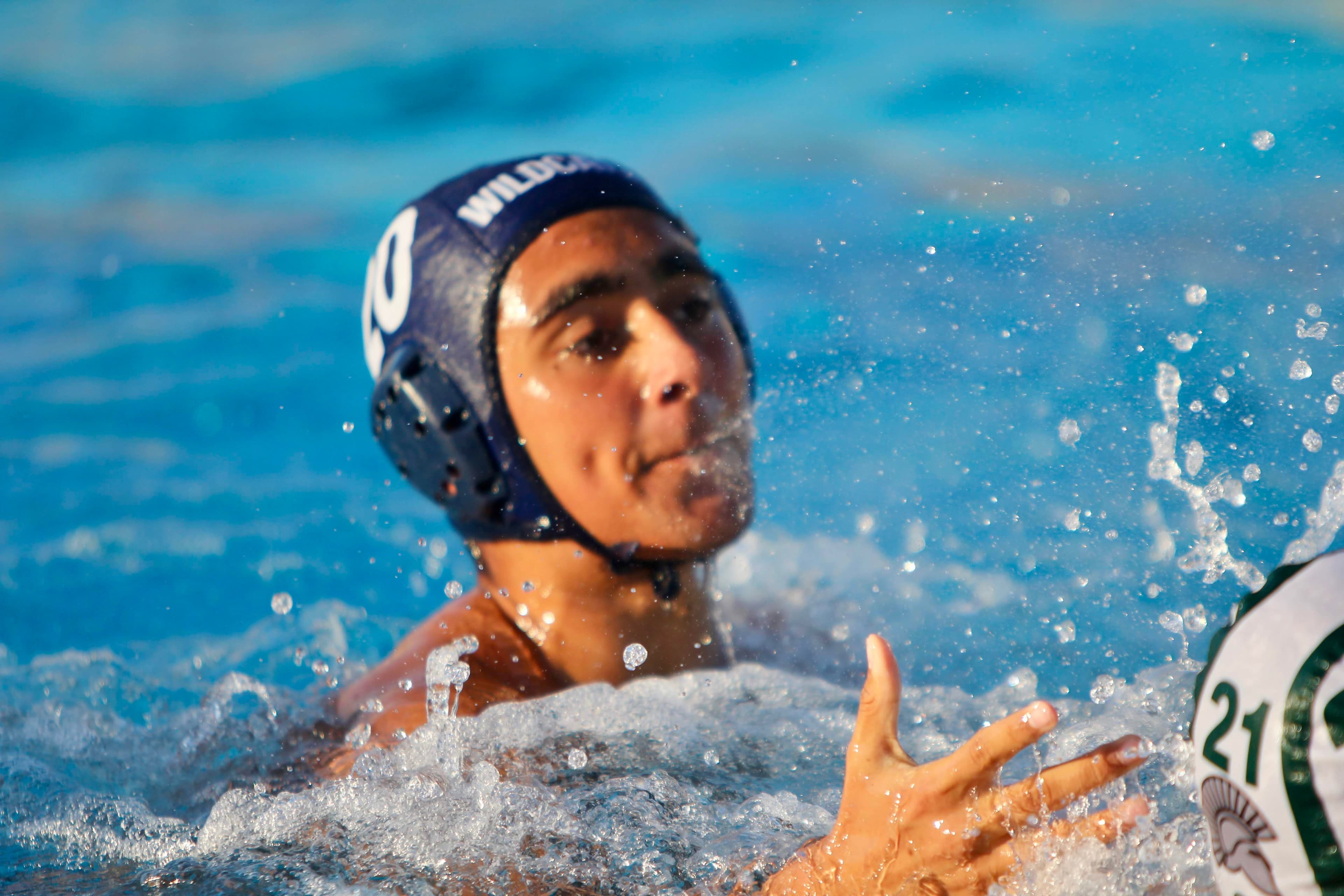
Shoulder impingement generally describes pain when shoulder tissues are irritated during lifting or overhead motion. It is often managed with activity modification and progressive rehab.
Common signs
- Pain reaching overhead or behind the back
- Pain during pressing, swimming, or throwing
- Pinching around the front or side of the shoulder
- Symptoms that worsen with repeated overhead work
Why it happens
- Overhead training or sport volume
- Limited shoulder or thoracic mobility
- Rotator cuff or scapular strength deficits
- Training through pain for too long
What recovery usually focuses on
- Reduce provocative overhead volume
- Build cuff and shoulder blade strength
- Restore pain-free range of motion
- Progress overhead sport or lifting in stages
Recovery timeline
Mild
Often improves over days to a few weeks with the right load changes.
Moderate
Often takes several weeks and needs a structured rehab progression.
Complex
May need imaging, specialist input, or a longer return-to-activity plan.
Return-to-activity checklist
- Pain is controlled during daily activity
- Range of motion is close to normal
- Strength and control are returning
- Sport-specific movement is tolerated in stages
- You have a clear plan for increasing load
How to reduce recurrence
- Keep pulling, cuff, and scapular work in the program
- Avoid abrupt overhead workload increases
- Build tolerance before max-effort overhead work
Common mistakes
- Resting until pain improves, then jumping straight back to full activity
- Ignoring strength, mobility, or load-tolerance work
- Using imaging without a clear clinical question
- Changing too many variables at once
- Not adjusting the plan when symptoms change
When to get medical guidance
- Pain that is severe, worsening, or not improving with rest
- Visible deformity, major swelling, or inability to bear weight
- Numbness, weakness, fever, or symptoms after a significant fall or collision
- A return-to-activity decision that feels unclear or risky
How Elena helps
ERC helps active people move from uncertainty to a clear plan, with clinical guidance and coordination around the next steps.
- Coordination and booking with licensed sports medicine physicians
- Clear recovery roadmap
- PT, imaging, and referral coordination when needed
- Direct text support as questions come up
- Return-to-activity planning
This guide is educational and is not a diagnosis or a substitute for care from a licensed clinician. If symptoms are severe, worsening, or unclear, get medical guidance before returning to sport or training.