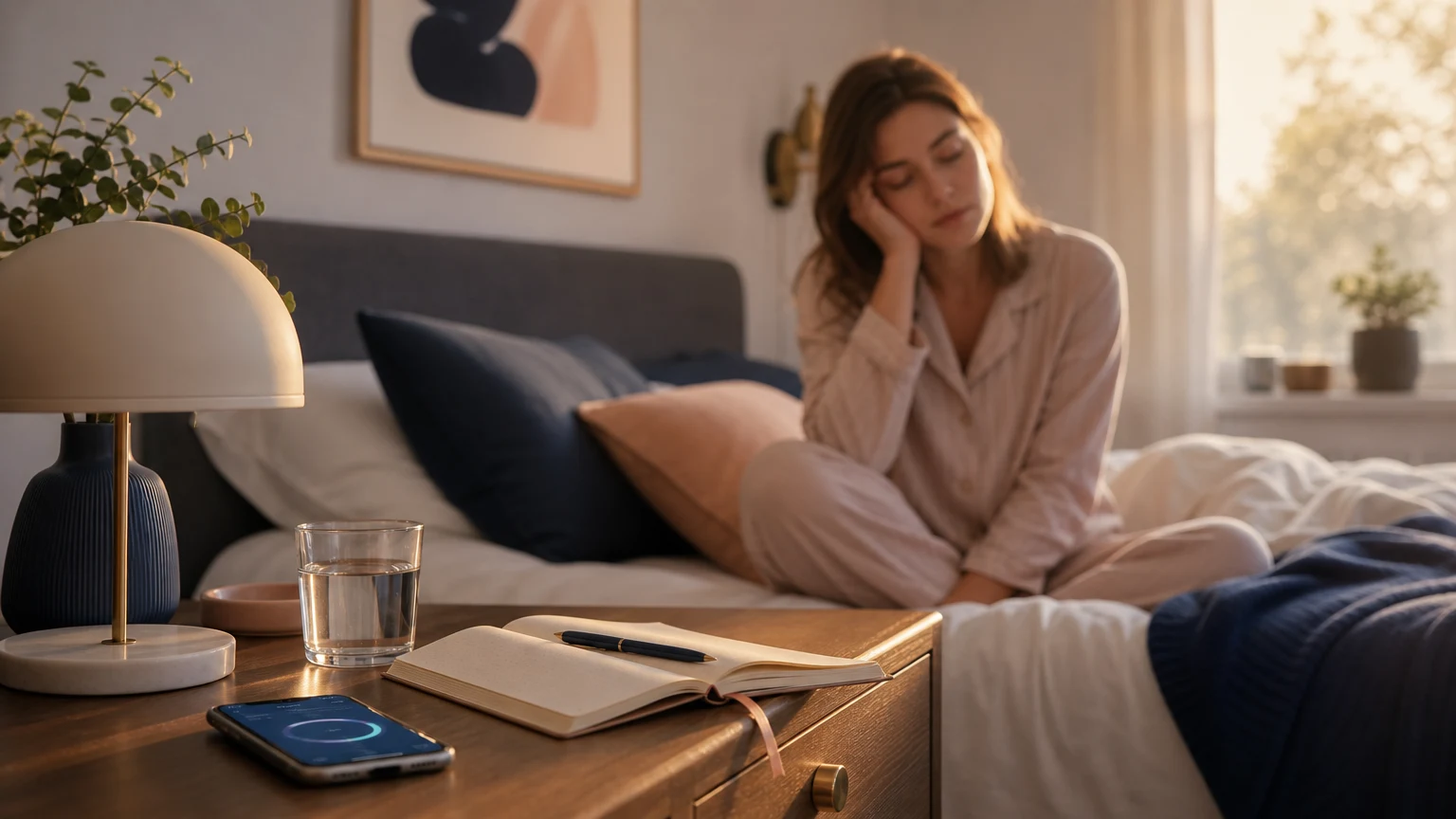
Sleep apnea is easy to underreact to because the most important symptoms happen while you are asleep. You may not know your breathing stops, that you gasp, or that your snoring is loud enough to worry someone else.
The useful question is not "Do I snore?" It is "Is there enough evidence here to ask for a sleep apnea evaluation?"
Symptoms that should get your attention
Sleep apnea can show up at night, during the day, or through the observations of someone sleeping near you. Common clues include:
- breathing that starts and stops during sleep
- gasping, choking, or waking short of breath
- frequent loud snoring
- daytime sleepiness, fatigue, or trouble focusing
- dry mouth or morning headaches
- insomnia or waking often during the night
- waking up often to urinate
Some people do not fit the stereotype. Women may be more likely to report fatigue, headaches, or insomnia instead of classic loud snoring. That is one reason sleep apnea can be missed.
Why it is worth checking
Untreated sleep apnea is not just bad sleep. Repeated breathing interruptions can lower oxygen levels and fragment sleep. NHLBI links untreated sleep apnea with higher risk for problems such as difficult-to-control high blood pressure, atrial fibrillation, heart attack, heart failure, stroke, type 2 diabetes, and trouble concentrating or driving safely.
That does not mean every tired person has sleep apnea. It means recurring symptoms deserve a real evaluation instead of being written off as normal exhaustion.
When to ask your doctor
Bring it up if any of these are true:
- someone has seen you stop breathing, choke, or gasp during sleep
- you are sleepy during the day even after a full night in bed
- you have loud snoring plus high blood pressure or heart rhythm issues
- you wake with headaches, dry mouth, or frequent nighttime urination
- you are being treated for fatigue, mood, memory, or concentration issues and sleep has not been evaluated
What to track before the appointment
A few notes can make the appointment more useful:
- how many hours you sleep
- how rested you feel in the morning
- whether anyone has observed snoring, pauses, or gasping
- how often you nap or feel sleepy while driving
- medications, alcohol use, and recent weight changes
- blood pressure, heart history, diabetes, stroke, or other relevant diagnoses
What happens next
Your clinician may order a sleep study or refer you to a sleep specialist. A sleep study can help diagnose what type of sleep apnea you have and how severe it is. From there, treatment may include lifestyle changes, a CPAP or other PAP device, an oral appliance, or other options depending on your diagnosis and tolerance.
Related sleep guides
Sources
- NHLBI: Sleep Apnea — Overview of sleep apnea symptoms, diagnosis, treatment, and health risks.
- NHLBI: Sleep Apnea Symptoms — Common sleep apnea symptoms, including snoring, gasping, daytime sleepiness, dry mouth, headaches, and insomnia.
- NHLBI: Sleep Apnea Diagnosis — Sleep studies, sleep diaries, and related tests used when evaluating possible sleep apnea.
- NHLBI: Living With Sleep Apnea — Follow-up, PAP use, equipment data, health risks, and safety considerations.